
Social media impact on SEO is a compelling topic, given the intersection of digital interaction and search engine visibility. Social media does not directly increase search rankings in major algorithms like Google's. However, it plays a substantial role in indirectly determining SEO success through several mechanisms:
By strategically integrating social media practices within your SEO strategy, businesses can reap the benefits of increased online visibility and authority.
I'm Neal Stein, and my experience in online advertising and sales underscores the impact of social media impact on SEO in today's digital landscape. With a background in business ownership and a knack for effective communication, I can guide you through leveraging these intersections to boost your digital presence.

Social media is a powerful tool that can significantly influence SEO through various channels. Let's explore how it aids in traffic generation, backlinks, and brand visibility.
Social media platforms are excellent for driving organic traffic to your website. When you share content on platforms like Facebook, Instagram, or LinkedIn, you create opportunities for users to visit your site. For instance, a well-crafted blog post shared on Twitter can lead to a surge in website visits as followers click through to read more. This increase in traffic signals to search engines that your site is valuable and relevant, potentially boosting your rankings.
Backlinks are crucial for SEO, and social media can help generate them. When content is shared widely across social platforms, it catches the attention of other industry experts and influencers. If they find your content valuable, they might link back to it from their own websites. This not only improves your site's authority but also improves its search engine rankings.
Example: Moz, a leader in SEO software, effectively uses Twitter to share insightful blog posts, resulting in numerous backlinks that lift their search rankings.
Social media improves brand visibility by consistently putting your business in front of potential customers. The more your brand is mentioned and shared across platforms, the more familiar it becomes to users. This increased awareness can lead to more branded searches, where users specifically search for your brand name, further boosting your SEO.

To summarize, while social media may not directly impact search engine algorithms, its role in driving traffic, earning backlinks, and boosting brand visibility is undeniable. By integrating social media into your SEO strategy, you can improve your online presence and authority.
Social media is more than just a platform for sharing cat memes; it plays a vital role in SEO. Let's explore how social signals, branded search, and organic clicks come together to impact your site's visibility.
Social signals refer to the likes, shares, comments, and overall engagement your content receives on social media. These interactions indicate to search engines that your content is valuable and relevant. Although Google officially denies using social signals as a ranking factor, studies suggest otherwise. For instance, a study by Hootsuite found that articles with high social shares saw a 22% increase in SEO results. This means that while social signals may not be a direct ranking factor, they correlate with content that performs well in search engines.
Branded search occurs when users specifically search for your brand name. This can be a result of increased brand visibility on social media. When people see your brand frequently on platforms like Instagram or LinkedIn, they are more likely to search for it directly. This not only boosts your site's traffic but also signals to search engines that your brand is gaining authority and recognition.
Social media can also lead to more organic clicks. When your content is shared widely, it reaches a broader audience. If the content is engaging and relevant, users are more likely to click through to your website. These organic clicks can boost your site's authority and improve its position in search engine results pages (SERPs).
For example, Shopify uses Instagram to showcase user-generated content, increasing their brand awareness and driving more organic traffic to their site. This strategy has helped improve their search rankings by attracting more visitors who are genuinely interested in their offerings.
In conclusion, while social media may not directly influence SEO rankings through algorithms, its impact on social signals, branded searches, and organic clicks is significant. By leveraging social media effectively, you can improve your site's visibility and authority.
Next, we'll explore the top social media platforms that can boost your SEO efforts.
When it comes to boosting your SEO efforts, not all social media platforms are created equal. Let's explore how YouTube, Facebook, Instagram, LinkedIn, and Pinterest can play a pivotal role in enhancing your SEO strategy.
YouTube isn't just a video-sharing platform; it's the second-largest search engine in the world. Video content is increasingly valuable for SEO because it keeps users engaged longer, sending positive signals to search engines. By optimizing your video titles, descriptions, and tags with relevant keywords, you can increase your visibility both on YouTube and in Google search results. Plus, embedding YouTube videos on your website can improve dwell time, further boosting your SEO.
Facebook remains a powerhouse for driving traffic and engagement. With over 2.8 billion monthly active users, it's an ideal platform for increasing brand visibility. Sharing blog posts, videos, and infographics can lead to more likes, shares, and comments—social signals that indirectly support your SEO efforts. Facebook's algorithm favors content with high engagement, so create posts that encourage interaction to maximize reach and drive organic traffic to your site.
Instagram is a visual platform that excels in brand storytelling and engagement. While it may not directly impact SEO rankings, it can significantly boost brand awareness. By using SEO-friendly keywords as hashtags, you can make your content findable to a broader audience. Instagram Stories and Reels also offer opportunities to engage users and drive them to your website, contributing to increased traffic and potential backlinks.
LinkedIn is a goldmine for B2B marketers looking to improve their SEO. A well-optimized company page can improve your brand's visibility in search results. Sharing industry insights, blog posts, and company updates can establish your brand as an authority, leading to increased branded searches. Engaging with other users' content can also foster relationships that may result in valuable backlinks to your site.
Pinterest is often overlooked but is a powerful tool for driving traffic and improving SEO. With its focus on visuals, it's perfect for industries like fashion, design, and food. By using Pinterest Trends to find popular keywords, you can create Pins that resonate with your audience. High-quality images, informative descriptions, and strategic use of keywords can increase your Pins' visibility, potentially driving significant traffic to your website.
By leveraging these platforms strategically, you can improve your SEO efforts and drive more organic traffic to your site.
Next, we'll dig into strategies to leverage social media for SEO success.
Social media is a powerful tool for enhancing your SEO strategy. By focusing on content sharing, audience engagement, and hashtag usage, you can effectively boost your online presence.
Content is king, and sharing it on social media is a royal strategy. When you post valuable content, you open the door to earning backlinks. These are links from other sites pointing to your content and are crucial for SEO. Backlinks from credible sources increase your site's authority in search engines.
Tip: Share a mix of blog posts, videos, and infographics. Platforms like Facebook and LinkedIn are excellent for sharing articles, while Instagram and Pinterest are ideal for visual content.
Engaging with your audience is more than just responding to comments. It's about building a community. When you interact with your followers, you create a positive brand image, which can lead to more shares and mentions. These social signals, while not direct ranking factors, can influence your SEO indirectly.
Fact: A Social Media Today survey found that 61% of businesses use social listening to monitor mentions. This helps in understanding customer sentiments and crafting better content strategies.
Tip: Use polls, Q&A sessions, and live videos to encourage interaction. The more engaged your audience, the more likely they are to share your content, expanding your reach.
Hashtags are keywords that help categorize content, making it findable by a broader audience. They are especially popular on platforms like Twitter and Instagram. Using relevant hashtags can increase the visibility of your posts, attracting more views and potential backlinks.
Example: Adobe effectively uses hashtags to promote its content on Instagram. By collaborating with influencers and using popular hashtags, Adobe reaches a wider audience, boosting both brand visibility and engagement.
Tip: Use a mix of popular and niche hashtags. Popular hashtags increase your reach, while niche ones target a specific audience interested in your content.
By implementing these strategies, you can leverage social media to improve your SEO efforts. Next, we'll address frequently asked questions about the social media impact on SEO.
The simple answer is no, social media does not directly influence SEO rankings. Google has clarified that social signals like likes, shares, and comments are not direct ranking factors in its algorithm. This is primarily because social media metrics can be easily manipulated and often fluctuate rapidly.
However, social media can indirectly improve your SEO. When your content is shared widely, it increases the chances of earning valuable backlinks. These links from other reputable sites point to your content, boosting your site's authority in the eyes of search engines. So, while social media isn't a direct factor in SEO rankings, it plays a crucial supporting role.
Off-page SEO focuses on activities outside your website that impact your rankings. Social media is a powerful tool for off-page SEO because it helps in building brand findability and generating backlinks. When you share content on social platforms, you expose it to a broader audience. This increases the likelihood of other websites linking back to your content, which is a key component of off-page SEO.
Moreover, social media improves brand visibility and reputation. A strong brand presence can lead to more branded searches, where users specifically search for your brand name. This signals to search engines that your brand is trustworthy and authoritative, indirectly boosting your SEO performance.
SEO and social media marketing are two sides of the same coin. While they have different goals and strategies, they complement each other remarkably well. SEO factors focus on improving search engine rankings through keyword optimization, content quality, and backlinks. On the other hand, social media marketing aims to engage with audiences, build brand loyalty, and increase content visibility.
When integrated, these strategies amplify each other's impact. Social media can drive traffic to your website, increasing engagement and time spent on your pages, which are positive signals for SEO. Additionally, a well-executed social media strategy can lead to more backlinks and a stronger brand presence, both of which are beneficial for SEO.
By understanding these dynamics, businesses can harness the full potential of social media and SEO to create a robust online presence.
Next, we'll explore the top social media platforms that can improve your SEO efforts.
In the evolving world of digital marketing, using the social media impact on SEO is not just beneficial—it's essential. At Net Success USA, we know that a well-rounded social media SEO strategy can significantly boost your brand's authority and visibility. By integrating social media into your SEO efforts, you create a dynamic synergy that lifts your online presence.
Social Media SEO Strategy
Our approach to social media SEO is all about creating a cohesive strategy that aligns with your brand's goals. We focus on generating engaging content that resonates with your audience. When your content is compelling, it naturally invites shares, likes, and comments, indirectly enhancing your SEO through increased backlinks and brand mentions.
Building Brand Authority
Brand authority is crucial for standing out in today's crowded digital landscape. By leveraging social media, you can build a strong brand presence that search engines recognize as trustworthy and authoritative. Engaging with your audience on platforms like Facebook, Instagram, and LinkedIn not only boosts your brand's visibility but also fosters a community around your brand. This community engagement leads to more branded searches and backlinks, both of which are vital for improving your SEO.
In conclusion, social media is a powerful tool that, when integrated with SEO, can drive significant results. At Net Success USA, we're committed to helping you steer this complex landscape with strategies that are both effective and sustainable. By focusing on social media SEO, you can improve your brand's authority and achieve lasting success online.
Ready to take your social media SEO strategy to the next level? Explore our social media integration services and see how we can help you succeed.

Link management solutions play a vital role in digital marketing and SEO strategies. These tools help create, manage, and track URLs to optimize user engagement and lift search engine rankings. For anyone exploring modern digital marketing avenues, these solutions can:
Imagine flipping through a never-ending digital tool catalog, and among the tools available, link management might seem simple yet it anchors many marketing efforts. By optimizing your links, you can significantly increase visibility and streamline your digital strategies.
As Neal Stein, I've spent years pioneering in the intersection of digital marketing and effective link management solutions. My journey includes establishing a thriving online advertising agency, where I've continually harnessed link management solutions to improve SEO and digital reach.
In the vast landscape of digital marketing, link management solutions are the unsung heroes. They're like the Swiss Army knife of online tools, offering a range of functionalities that make managing URLs a breeze.
Ever tried fitting a long URL into a tweet? It doesn't work well, does it? That's where URL shortening comes in. Tools transform lengthy URLs into neat, concise links. This not only saves space but also makes your content more appealing.
Shortened URLs are perfect for social media platforms where character count matters. They help keep your posts clean and focused, encouraging more clicks.
Now, let's talk about branded links. Imagine seeing a link like "short.ly/abcd123" versus "yourbrand.com/promo". Which one would you trust more? Most people would choose the latter.
Branded links incorporate your brand into the URL, boosting visibility and trust. They make your links memorable and align them with your brand identity. This small tweak can have a big impact on your marketing efforts.
With branded links, you’re not just sharing a URL; you’re sharing your brand’s voice and identity. It's a simple change that can lead to more engagement and better recognition across digital platforms.
These tools are not just about shortening and branding. They provide a complete package for managing your digital presence. With them, you can track link performance, understand user behavior, and refine your marketing strategies.
Link management solutions are essential for anyone serious about digital marketing. They offer the tools needed to optimize every link, making sure each one works hard for your brand.
In the next section, we'll explore the benefits of using these tools in more detail, showing how they can transform your marketing campaigns.
Link shortening is more than just trimming down a URL. It's about making your content digestible and attractive. Long URLs can be cumbersome and off-putting. With tools like Bitly, you can convert these into short, sleek links that fit perfectly into any marketing material. This is especially useful on platforms like Twitter, where character count is precious.
Shortened links aren't just for aesthetics. They also help in tracking engagement, giving you insights into how your audience interacts with your content.
Understanding how your links perform is crucial. Link management tools come with advanced tracking features that provide valuable insights. You can monitor key metrics like impressions, click-through rates (CTR), and referral sources. This data helps in refining your marketing strategies and understanding what resonates with your audience.

Branded links are a game-changer. They improve brand recognition and trust. When users see a link like "yourbrand.com/sale", it feels more personal and trustworthy compared to generic short links. This simple branding can significantly boost your click rates and reinforce your brand identity.
Social media is a powerful platform for reaching potential customers. However, getting them to your website requires effective link management. Shortened and branded links fit perfectly within social media's character constraints, making your posts cleaner and more clickable. Plus, with tracking, you can see which platforms and content types drive the most traffic.
Beyond tracking clicks, link management tools offer insights into user behavior. You can see geographic data, device types, and even the time of day when your links are most active. These insights help you tailor your content and posting schedule to maximize engagement.
Running multiple marketing campaigns can get chaotic. Link management tools simplify this by allowing you to track each campaign's performance individually. You can tag links, set goals, and compare results across different campaigns. This makes it easier to identify what's working and where you need to adjust your strategy.
In the next section, we'll dive into top strategies for link management, exploring how to organize, customize, and analyze your links for maximum impact.
In digital marketing, effective link management is crucial. Here are some top strategies to help you make the most of your link management solutions:
Think of link organization as tidying up your digital space. A cluttered link profile can confuse and overwhelm your audience. By categorizing and tagging your links, you ensure that they are easy to find and manage. This is especially important when running multiple campaigns or working with a large team.
Pro Tip: Use folders or tags within your link management tool to group links by campaign, platform, or purpose. This keeps everything neat and accessible.
Customization is about making your links work for you. This means using branded links that reflect your company's identity, or creating custom URLs that are easy to remember.
Example: Instead of using a generic short link, customize it to say something meaningful like "yourbrand.com/newlaunch". This not only looks better but also reinforces your brand message.
Analyzing your links is like having a compass in the digital world. It guides your marketing efforts by showing you what works and what doesn't. With the right tools, you can dive deep into metrics like click-through rates, geographic data, and referral sources.
Did You Know?: By understanding where your clicks are coming from, you can tailor your content to better meet the needs of your audience. This data-driven approach is key to improving your marketing strategy.
Data integration is the backbone of effective link management. Seamlessly connecting your links with other marketing tools allows for a holistic view of your campaigns. This means integrating data from your CRM, email marketing, and social media platforms.
Why It Matters: When your data is integrated, you can make informed decisions based on comprehensive insights. It eliminates silos and provides a unified view of your marketing performance.
By implementing these strategies, you can harness the full potential of your link management solutions. Next, we'll answer some frequently asked questions about these tools and their functionalities.
A link management tool is a digital solution designed to help marketers create, organize, and track URL links efficiently. These tools offer functionalities like URL shortening, branded links, and performance tracking. Rebrandly is a popular example, providing a platform to transform long URLs into short, branded links that are easy to share and track.
A link manager is responsible for overseeing all aspects of link management within a marketing strategy. This includes creating custom URLs, organizing links into categories, and analyzing link performance. ManagedLinks is a tool that helps automate these tasks, allowing marketers to focus on optimizing their campaigns rather than getting bogged down in link logistics.
Link software is used for several purposes in digital marketing:
Data Integration: It connects link data with other marketing tools, providing a comprehensive view of campaign performance. This integration helps in making data-driven decisions and improving marketing strategies.
Visual Format: The software often presents data in a visual format, making it easier to understand metrics like click-through rates and referral sources. This visualization aids in quickly identifying trends and areas for improvement.
By understanding these aspects of link management solutions, marketers can effectively leverage tools like Rebrandly and ManagedLinks to improve their digital marketing efforts.
In today's digital landscape, link management solutions are essential for businesses aiming to optimize their online presence. At Net Success USA, we offer comprehensive SEO services that include robust link management strategies. Our unique approach combines post-Penguin SEO, keyword content management, and social media integration to ensure your links are not just functional but also powerful and trusted.
Our dedicated team continuously improves our SEO network, keeping up with the ever-changing algorithms to deliver exceptional results. We understand that managing links can be complex, which is why we prioritize customer support. Our team is always ready to assist you, ensuring you have the resources needed to succeed in your digital marketing campaigns.
By choosing Net Success USA, you're not just getting top-tier SEO services; you're gaining a partner committed to your success. We provide dynamic link management that adapts to your needs, helping you achieve better visibility and higher click-through rates.
Explore our services and see how we can lift your link management strategy to the next level. Learn more about our link management tools here.

Content marketing strategy is your plan for creating and sharing content that connects with your target audience. It's essential for boosting online visibility, improving search engine rankings, and effectively engaging with potential customers. A simple content marketing strategy can achieve the following:
In today’s digital landscape, a great content marketing strategy helps you stand out. With the right strategy, you’re able to build a brand that people trust and return to.
My name is Neal Stein. Over the years, as a business owner in online advertising, I've learned the value of a solid content marketing strategy. This approach effectively combines SEO and content to drive visibility and growth. Let’s dig deeper into how you can create a strategy that works for your business.
A content marketing strategy is more than just a plan; it's your roadmap to connecting with your audience and achieving your business goals. Think of it as the bridge between what your business offers and what your audience seeks.
At its core, a content marketing strategy involves creating and distributing valuable, relevant content to attract and engage a clearly defined audience. The aim? To drive profitable customer actions. This isn't about pushing products but about offering value that resonates with your audience.
Setting clear goals is crucial. Without them, your content efforts can become scattered and ineffective. Here are some common goals to consider:
Understanding your audience is the cornerstone of any successful content marketing strategy. It's about knowing who they are, what they need, and how you can help them. Creating audience personas can be incredibly useful. These semi-fictional characters represent your ideal customers and are based on data and research.
To gain deeper audience insights, consider the following:
By tailoring your content to meet these insights, you can create more engaging and effective content that speaks directly to your audience’s needs and desires.

In summary, a well-crafted content marketing strategy not only defines what you want to achieve but also aligns your content with your audience's needs. This alignment is the secret sauce to building a brand that not only attracts but retains loyal customers. Now, let’s explore the steps to create a content marketing strategy that truly works for your business.
Creating a content marketing strategy can seem daunting, but breaking it down into manageable steps makes it much more approachable. Here's how you can get started:
First things first: set clear, specific goals. Your goals will guide every decision you make in your content strategy. Consider using the SMART framework—Specific, Measurable, Achievable, Relevant, and Time-bound—to define these goals.
Examples of goals you might set include:
Setting these goals upfront ensures that your content creation efforts are aligned with your business objectives.
Understanding your audience is crucial. Without this, even the best content might miss the mark. Start by developing detailed audience personas. These personas should include:
Tools like Buzzsumo’s Question Analyzer can help identify the questions your audience is asking, providing a solid foundation for your content topics.
Once you know your goals and audience, decide on the types of content that will resonate most. Consider a mix of:

The key is to match the content type to the preferences of your audience and the goals you've set.
Creating great content is only half the battle. You need a solid promotion plan to ensure it reaches your audience. Here are some strategies:

Tailor your promotion efforts based on where your audience is most active and how they prefer to consume content.
By following these steps, you'll be well on your way to developing a content marketing strategy that not only aligns with your business goals but also resonates with your audience. Next, we'll explore the key elements of a successful content marketing strategy.
A content marketing strategy is like a roadmap for creating and sharing content that connects with your audience and meets your business goals. It includes several key elements that work together to ensure success.
Setting specific goals is the cornerstone of any successful strategy. These goals should be clear and focused, guiding your content creation and distribution efforts. For instance, HubSpot's inbound marketing strategy focuses on lead generation through high-quality, educational content. They aim to convert visitors into leads, which is a specific and measurable outcome.
Consider using a framework like SMART (Specific, Measurable, Achievable, Relevant, Time-bound) to define your goals. Examples might include:
Understanding your audience is critical. Without this insight, your content may fall flat. Audience insights involve collecting data on demographics, preferences, and behaviors. This helps tailor content to their needs.
For example, Red Bull's content strategy focuses on extreme sports, appealing to a young, adventurous audience. They create content that resonates with their audience's interests, ensuring engagement and connection.
Choosing the right content types is essential for engaging your audience. Different types of content serve different purposes and appeal to various preferences. Consider incorporating:
The goal is to create a mix that aligns with your audience's preferences and your business objectives.
A well-thought-out promotion plan is crucial for ensuring your content reaches the right audience. Here are some strategies to consider:
Tailor your promotion efforts to fit where your audience spends their time and how they prefer to consume content.
By incorporating these key elements, you can build a content marketing strategy that effectively supports your business goals and connects with your audience. Next, we'll dig into how content marketing strategies can vary across different sales stages.
A content marketing strategy isn't just about creating content; it's about delivering the right content at the right time. Each stage of the sales cycle—awareness, consideration, and closing—requires a unique approach.
At the awareness stage, your goal is to grab attention and educate. Here, your audience is looking for answers to their problems. They aren't ready to buy yet, so focus on informative and engaging content.
Types of content for this stage include:
For example, a bike touring company might create a video titled "3 Ways to Choose the Right Bike Trip." This content educates viewers and piques interest without pushing a sale.
In the consideration stage, potential customers are comparing options. They want to know how your product or service can solve their problems. Here, balance education with subtle marketing.
Effective content includes:
A cloud-based phone system company might offer a checklist titled "8 Ways to Improve Your Phone Customer Service." This guides prospects in understanding features and benefits, nudging them towards a decision.
The closing stage is where prospects are ready to make a purchase. Content at this point should reinforce why your product or service is the best choice.
Focus on:
Highlight your expertise and unique benefits. The goal is to build confidence and convert interest into a sale.
By tailoring your content marketing strategy to each sales stage, you can effectively guide prospects from awareness to decision, ensuring your content meets their needs at every step. Now, let's move on to some frequently asked questions about content marketing strategy.
Content marketing strategies are plans to create and share valuable content to attract and engage a target audience. The primary aim is to build relationships and retain customers over time. A well-thought-out strategy helps businesses meet their goals, whether that's increasing brand awareness, generating leads, or boosting sales.
For instance, according to the HubSpot State of Marketing Report, 2024, 29% of marketers actively use content marketing, and 50% plan to increase their investment in it. This shows the growing importance of content marketing strategies in achieving business success.
The 5 P's of content marketing are crucial steps to ensure your content reaches and resonates with your audience:
Plan: Start by setting clear goals and understanding your audience. This helps you decide what content to create and how it aligns with your business objectives.
Produce: Create high-quality, relevant content that addresses your audience's needs and interests. This might include blog posts, videos, or infographics.
Publish: Share your content on the right platforms where your audience spends their time. This could be your website, social media channels, or email newsletters.
Promote: Use various channels to amplify your content's reach. This could involve paid advertising, social media promotion, or influencer partnerships.
Perform: Track the performance of your content using key metrics like engagement, traffic, and conversions. Use these insights to refine your strategy.
The three C's of content strategy are essential elements that guide the creation and management of content:
Creation: This involves generating content that is valuable, relevant, and consistent with your brand's voice and goals. It's about producing content that meets the needs of your audience.
Curation: This is the process of gathering and sharing content from various sources that add value to your audience. It helps establish your brand as a thought leader and keeps your content fresh and diverse.
Conversation: Engaging with your audience is key. Encourage discussions, respond to comments, and foster a community around your brand. This interaction builds trust and loyalty, making your content strategy more effective.
By understanding and implementing these principles, you can develop a content marketing strategy that not only attracts but also retains your audience. Let's dive deeper into how these strategies can be custom to different sales stages.
Creating a content marketing strategy that works is crucial for any business looking to thrive in today's digital world. At Net Success USA, we understand the power of combining effective SEO and internet marketing to drive your business forward.
Our approach is simple yet effective. We focus on SEO to ensure your content is visible and easily found by your target audience. With our expertise in post-Penguin SEO, keyword content management, and local search optimization, we help you rank higher in search results, bringing more organic traffic to your site.
But it doesn't stop there. We also integrate social media and link management to broaden your reach and create a robust online presence. By doing so, we help you engage your audience across multiple platforms, making sure your content is not only seen but also shared.
Our team is dedicated to providing exceptional customer support, ensuring your content marketing strategy is always on track and delivering results. Whether you're looking to increase brand awareness, generate leads, or boost sales, we have the tools and expertise to help you succeed.
Ready to take your content marketing to the next level? Explore our SEO content creation services and see how we can lift your business with a custom strategy that works.
Local SEO keyword optimization is the secret sauce small businesses use to shine in search results pertinent to their area. It's all about ensuring your business ranks high when people search for what you offer, whether it's “mechanic near me” or “best coffee shop in San Diego.” Here’s the quick low-down:
Getting this right makes it easier for potential customers to find you in their moment of need, translating online searches into real-world visits and sales.
I'm Neal Stein, a seasoned professional in Local SEO keyword optimization. Over the years, I’ve built strategies that help small businesses link with potential customers. With a strong background in digital marketing, I can guide you toward robust solutions for optimizing your local presence.

When it comes to Local SEO keyword optimization, the main goal is to connect your business with people actively searching for what you offer in your area. It's about understanding what potential customers type into search engines and ensuring your business shows up when they do.
Local SEO keyword research is the first step in this process. It's about finding the right words and phrases your target audience uses when searching for services or products like yours in their vicinity. Think of it as getting inside the head of your customers.
For instance, someone looking for a plumber might not just type "plumber" but might add a location, like "plumber in San Diego." This specific search helps them find services close to them, and it helps businesses like yours connect with the right audience.
Keyword modifiers are words added to a primary keyword to make it more specific. They often include location-based terms or phrases like "best," "affordable," or "top-rated." These modifiers help refine searches and ensure your business appears in relevant local queries.
For example, if you own a bakery in Brooklyn, instead of just targeting "bakery," you might use modifiers like "best bakery Brooklyn" or "affordable bakery Brooklyn." These modifiers help you capture the attention of searchers looking for specific qualities in your area.
Location-based keywords are essential for local SEO because they directly point to the geographic area you serve. These keywords can include the names of cities, neighborhoods, or even landmarks. They help search engines understand where your business is located and where you want to attract customers from.
For instance, a car repair shop in Minneapolis might use location-based keywords like "auto repair Minneapolis" or "tire service near St. Paul." By incorporating these keywords into your content, you increase the likelihood of appearing in local search results.

Incorporating these elements into your local SEO strategy ensures that when someone nearby needs your services, your business is front and center. This approach not only boosts online visibility but also drives more foot traffic and inquiries to your business.
Next, we'll dive into the steps you can take to optimize these keywords effectively.
Optimizing for Local SEO keyword optimization involves several key steps that can boost your visibility in local search results. Let's break it down into three main areas: keyword research tools, competitor analysis, and keyword mapping.
The first step in optimizing your local SEO keywords is using the right keyword research tools. These tools help identify the search terms people use when looking for services or products in your area. Popular tools like Ahrefs and SEMrush offer insights into keyword difficulty, search volume, and trends over time. They can also suggest related keywords you might not have considered.
Using these tools, you can build a comprehensive list of keywords that are relevant to your business and location. This list forms the foundation of your local SEO strategy.
Once you have your list of keywords, it's time to look at what your competitors are doing. Competitor analysis involves examining the keywords that other businesses in your area are ranking for. Tools like SEMrush's Keyword Gap can show you which keywords your competitors are using that you're not.
By understanding what works for others in your industry, you can refine your own strategy. Look for gaps where you can insert your business and identify less competitive keywords that still offer good search volume.
After gathering keywords and analyzing competitors, the next step is keyword mapping. This involves assigning each keyword to a specific page on your website. The goal is to ensure that each page is optimized for a particular search term, enhancing its chances of ranking in search results.
For example, if you run a dental clinic, you might map "teeth whitening Brooklyn" to a page detailing that service. This targeted approach ensures that each page serves a specific purpose and aligns with what potential customers are searching for.
By following these steps—using research tools, analyzing competitors, and mapping keywords—you can effectively optimize your local SEO keywords. This strategic approach helps ensure your business is visible to the right audience at the right time, driving more local traffic and potential customers your way.
Next, we'll explore some top strategies to ensure your local SEO efforts are successful.
When it comes to local SEO, there are a few strategies that can make a big difference. Let's explore the essentials: Google Business Profile, NAP consistency, and local citations.
Your Google Business Profile (GBP) is your digital storefront. It's where potential customers learn about your business hours, location, and services. To optimize your GBP:
Claim and verify your profile: Make sure your business is listed and verified by Google. This can help you appear in local search results and even earn a spot in the coveted "Local Pack."
Keep information up-to-date: Regularly update your business hours, address, and contact details. This ensures potential customers have the most accurate information.
Engage with customers: Respond to reviews, both positive and negative. This shows that you value customer feedback and are active in your community.
Use Google Posts: Share updates, promotions, or events directly on your GBP. This keeps your audience informed and engaged.
NAP stands for Name, Address, and Phone number. Consistency in these details across the web is crucial for local SEO. Here's why:
Search engines rely on NAP: Google and other search engines use your NAP details to verify your business's legitimacy. Inconsistent information can confuse both search engines and potential customers.
Ensure uniformity: Check that your NAP details are the same on your website, social media profiles, and online directories. Tools like WhiteSpark can help you audit and maintain this consistency.
Local citations are mentions of your business on other websites, often in directories or local listings. They play a significant role in local SEO:
Boost credibility: Citations from reputable sites increase your business's credibility and authority in the eyes of search engines.
Focus on quality, not quantity: Aim to be listed on well-known directories like Yelp, TripAdvisor, and your local Chamber of Commerce.
Regularly audit citations: Ensure that all listings are accurate and up-to-date. Remove duplicates and fix any errors to maintain a clean online presence.
By focusing on these strategies—optimizing your Google Business Profile, maintaining NAP consistency, and building quality local citations—you can improve your local SEO efforts. These steps help position your business as a reliable choice for local customers, increasing your chances of appearing in search results.
Next, we'll explore how to leverage "near me" searches to capture even more local traffic.
"Near me" searches have become a powerful tool for local businesses. Let's explore how to make the most of them through voice search optimization, mobile dominance, and structured data.
Voice search is on the rise, with 58% of consumers using voice assistants like Siri and Alexa to find local businesses. This means your business needs to adapt.
Use natural language: Voice searches are conversational. Incorporate long-tail keywords and phrases that people might actually say aloud.
Answer questions: Voice searches often start with questions. Create content that answers common questions related to your business and location.
Focus on local queries: Ensure your content mentions your location clearly. This helps voice assistants pick your business when users search for services "near me."
Mobile devices are the go-to tool for local searches, with 83% of U.S. shoppers using their phones to search before visiting a store. Here's how to ensure your business shines on mobile:
Ensure mobile-friendliness: Your website should be responsive and easy to steer on phones. Slow or clunky sites can drive users away.
Use GPS tracking: Mobile searches often rely on GPS. Make sure your business address is accurate on all platforms to appear in location-based searches.
Optimize for quick actions: Include click-to-call buttons and easy access to directions. Users should be able to contact or find your business with minimal effort.
Structured data helps search engines understand your business better. This is crucial for appearing in "near me" searches.
Implement Local Business schema: Use structured data to provide detailed information about your business, like hours and location. This can improve your visibility in search results.
Include relevant details: Add information like customer reviews and special services. This enriches your search listings and attracts more clicks.
Stay updated with guidelines: Google often updates its structured data guidelines. Keep your data compliant to maintain optimal search visibility.
By focusing on these areas, you can effectively leverage "near me" searches to increase your local visibility. Next, we'll address frequently asked questions about local SEO keyword optimization.
Finding the right keywords is crucial for local SEO keyword optimization. Start with tools like the Google Keyword Planner. It helps you find terms people use to find businesses like yours in your area. Simply enter your location and business type, and you'll get a list of relevant keywords.
Another great option is using local keyword tools. These tools focus specifically on the terms that matter most in your community. They help you uncover keywords that are less competitive but highly relevant to your local audience.
One of the best strategies for local SEO is creating localized content. This means writing about local events, news, or topics that interest your community. By doing this, you not only engage local readers but also signal to search engines that your business is relevant to local searches.
Mobile optimization is another key strategy. With so many people using their phones to search, your website must be mobile-friendly. Ensure it loads quickly and is easy to steer on all devices. This improves user experience and helps boost your rankings in local search results.
Local SEO is vital because of the local search volume. Every month, billions of local searches are conducted, often by people ready to make a purchase. By appearing prominently in these searches, you increase your chances of attracting customers.
Moreover, local SEO helps in customer attraction. When your business shows up in local search results, it builds trust and credibility. Potential customers are more likely to visit your store or contact you when they see you are a recognized local business. This visibility can lead to increased foot traffic and sales.
By understanding these aspects of local SEO, you can effectively optimize your keywords and strategies to improve your local presence. Now, let's dive into how Net Success USA can help you achieve these goals.
At Net Success USA, we are committed to helping businesses open up the full potential of local SEO. With our comprehensive SEO services, we ensure that your business not only appears in local searches but stands out among the competition.
Our dynamic SEO network is the backbone of our success. It continuously evolves to keep up with the ever-changing landscape of search engine algorithms. This means that we are always one step ahead, providing you with powerful, trusted links that boost your local search rankings.
We understand that local SEO keyword optimization is crucial for driving traffic and increasing visibility. That's why our team of experts is dedicated to managing your keyword content effectively. We focus on integrating local search optimization with social media and link management to create a cohesive strategy that delivers results.
Our commitment to customer satisfaction is unwavering. We provide ongoing support and work closely with you to ensure that your SEO campaigns align with your business goals. Our dynamic strategies are custom to your needs, ensuring long-term ranking success.
If you're ready to take your local SEO to the next level, explore our essential local SEO services. Let's work together to optimize your way to the top and make your business a local favorite.
In the busy city of Los Angeles, finding the right seo agency los angeles can be crucial for businesses aiming to stand out in a highly competitive market. The city’s vibrant business landscape offers overwhelming choices, but knowing where to start can save you time and effort. Here are key points to consider:
By focusing on these factors, business owners can make informed decisions quickly.
My name is Neal Stein, and I've dedicated years to navigating the ins and outs of the seo agency los angeles scene. As a business owner in online advertising, I have witnessed how digital marketing strategies can propel businesses to new heights. Let's explore how the right SEO approach can transform your online presence.

When it comes to thriving in the competitive Los Angeles market, businesses need a robust SEO strategy. A well-rounded SEO agency in Los Angeles offers an array of services that cater to various aspects of search engine optimization.
Effective SEO starts with identifying the right keywords. By conducting thorough keyword research, agencies can pinpoint terms that potential customers use. This ensures your content aligns with what people are searching for, maximizing your ROI.
Link building is crucial for improving your site's authority. The best SEO agencies use connections with high-quality websites to implement a sustainable backlinking strategy. This helps in elevating your search engine ranking significantly.
Creating content that appeals to both humans and search engines is an art. Skilled content writers can produce everything from engaging blog posts to conversion-focused web pages. High-quality content is key to attracting and retaining visitors.
On-page SEO involves optimizing elements like title tags, meta descriptions, and image ALT tags. A proprietary keyword research process can identify the most impactful keywords for your pages, enhancing your site's relevance.
For businesses in Los Angeles, local SEO is vital. This strategy helps improve visibility in local search results, ensuring you're found by customers in your area. It's especially important for service-based businesses aiming to attract local clientele.
Technical SEO ensures your website is optimized for search engine crawlers. This includes fixing issues like mobile site problems, slow page speeds, and poor URL structures. Addressing these technical aspects lays the groundwork for organic growth.
For online stores, eCommerce SEO is a game-changer. It involves optimizing product pages and descriptions to improve search visibility. This can lead to increased traffic and sales, making it essential for online retailers.
Selling on Amazon requires a unique approach. SEO agencies can help optimize your product listings to rank higher in Amazon search results, driving more sales and visibility on the platform.
Franchise businesses need a custom SEO strategy. Agencies focus on ensuring each franchise location is visible in local search results, helping to drive traffic and customers to each branch.
By offering these comprehensive services, a top-tier SEO agency in Los Angeles can help businesses make their mark online. Whether you're a small business or a large corporation, these strategies are designed to boost your online presence and drive success.
In the busy city of Los Angeles, where businesses are vying for attention, choosing the right SEO company can make all the difference. Net Success USA is a standout choice for many reasons, primarily due to their SEO expertise and marketing excellence.
Net Success USA has built a reputation as a leading SEO agency in Los Angeles by consistently delivering results. Their team of SEO experts is skilled in creating strategies that cater to the unique needs of each client. They focus on understanding the intricacies of search algorithms and staying ahead of industry trends.
This expertise is evident in their ability to significantly increase organic traffic and online leads. For instance, one client experienced a remarkable 664% increase in organic traffic, showcasing the effectiveness of their approach.

Beyond technical SEO skills, Net Success USA excels in overall marketing strategy. They understand that SEO is just one piece of the digital marketing puzzle. Their comprehensive approach includes content marketing, social media integration, and data-driven strategies that boost brand visibility and engagement.
This holistic approach not only improves search rankings but also improves brand reputation and customer loyalty. By focusing on both short-term gains and long-term growth, Net Success USA ensures that their clients remain competitive in the dynamic Los Angeles market.
Operating in a city as diverse and competitive as Los Angeles, businesses need a partner they can trust. Net Success USA has proven to be that partner for many local businesses. Their commitment to transparency and client satisfaction sets them apart in the crowded field of SEO agencies.
Clients often praise Net Success USA for their dedication and personal touch. As one satisfied client noted, the level of service and commitment has exceeded expectations, making them a reliable choice for any business looking to improve their web presence.
By choosing Net Success USA, businesses in Los Angeles can leverage top-tier SEO services that drive measurable results and foster lasting growth.
When considering SEO services in Los Angeles, it's crucial to understand the costs involved. Pricing can vary widely, but knowing what to expect can help you budget effectively.
SEO agencies in Los Angeles typically offer several pricing models:
Hourly Rates: Some agencies charge by the hour, with rates ranging from $100 to $300 per hour. This model is often used for consulting or small projects.
Monthly Retainers: For ongoing SEO efforts, many agencies offer monthly packages. These can range from $1,000 to $5,000 or more, depending on the scope of work and the agency's expertise.
Project-Based Pricing: For specific projects like a website audit or a one-time SEO overhaul, costs can range from $1,000 to $30,000. The price depends on the project's complexity and the size of the website.
Several factors can influence the cost of SEO services:
Business Size: Small businesses might find packages custom to their needs and budgets, often starting at lower rates. Larger companies might require more comprehensive services, leading to higher costs.
Industry Competition: Highly competitive industries may require more aggressive SEO strategies, which can increase costs.
Service Scope: The range of services included, such as content creation, link building, and technical SEO, will affect pricing.
For small businesses, find a balance between cost and quality. Investing in a reputable SEO agency in Los Angeles like Net Success USA can provide a solid return on investment. Their customer-centric approach ensures that your budget is used effectively to achieve your business goals.
In conclusion, while SEO costs can vary, understanding these pricing models and factors can help you make an informed decision. By choosing a trusted partner like Net Success USA, you can ensure that your investment leads to tangible growth and visibility in the competitive Los Angeles market.
Selecting the right SEO agency in Los Angeles can be a game-changer for your business. Here's why Net Success USA stands out in the crowded market.
Net Success USA has a history of delivering exceptional results for clients across various industries. Their strategies are backed by a 100% success rate in growing website traffic and meeting clients' business needs. This track record isn't just a number; it's a testament to their expertise and dedication.
Happy clients are the best proof of success. For instance, Daniel Litvin, Founder & CEO of Lalea & Black, CPA Firm in Los Angeles, shared how Net Success USA significantly boosted client acquisition. He praised their ability to refine messaging, presentation, and visibility, which are key components of successful SEO campaigns.
"They have significantly helped my firm with client acquisition specifically in the accounting/financial space." - Daniel Litvin
Net Success USA doesn't rely on guesswork. Their strategies are data-driven, ensuring every decision is based on solid insights. By using advanced tools and analytics, they tailor their approach to maximize your return on investment. This means your marketing budget is used wisely and effectively.
What sets Net Success USA apart is their focus on the customer. They believe in transparent communication and provide detailed reports so you're always informed about your campaign's progress. This customer-centric approach ensures that your unique business needs are met, making them a trusted partner in your growth journey.
Choosing Net Success USA as your SEO agency in Los Angeles means partnering with a team that values your success as much as you do. Their proven track record, glowing client testimonials, data-driven results, and customer-centric approach make them an ideal choice for businesses looking to thrive in the competitive Los Angeles market.
Hiring an SEO agency in Los Angeles can vary widely in cost, depending on the services you need and the agency's expertise. Typically, SEO pricing includes different structures like hourly rates, monthly retainers, or project-based fees.
Hourly Rates: These usually range from $100 to $250 per hour. It's a flexible option for businesses that need specific tasks done.
Monthly Retainers: Most agencies offer packages starting from $1,000 per month. This is ideal for ongoing SEO services, ensuring continuous improvement and monitoring.
Project Costs: For specific projects, like a website audit or a one-time optimization, costs might range from $5,000 to $30,000, depending on the project's complexity.
It's important to consider your business size and budget. Small businesses might find monthly retainers more manageable, while larger companies may prefer comprehensive project-based solutions.
SEO agencies in Los Angeles provide a range of services designed to boost your online presence. These include:
Keyword Research: Identifying the best keywords to target your audience effectively.
Link Building: Increasing your site's authority through quality backlinks.
Content Strategy: Creating engaging content that resonates with both search engines and your audience.
On-Page SEO: Optimizing website elements like meta tags, headings, and images to improve search rankings.
Technical SEO: Ensuring your site is crawlable and indexable by search engines, addressing issues like site speed and mobile friendliness.
Local SEO: Enhancing your visibility in local search results, crucial for businesses targeting customers in specific areas.
Digital Marketing: Many agencies offer comprehensive digital marketing services, including social media and PPC advertising.
These services work together to improve your site's visibility, increase traffic, and drive conversions.
Local SEO is crucial for businesses in Los Angeles due to the city's competitive market. Here's why:
Business Visibility: Local SEO helps your business appear in local search results, making it easier for nearby customers to find you.
Search Engine Rankings: By optimizing for local search terms, your business can rank higher in searches specific to Los Angeles, increasing your chances of attracting local customers.
Customer Engagement: Local SEO often includes optimizing your Google My Business profile, which can improve customer interaction and trust.
For example, Los Angeles is a hub for entertainment, technology, and international trade. Businesses in these sectors can benefit significantly from a strong local SEO strategy, ensuring they stand out in a crowded market.
In conclusion, understanding the cost, services, and importance of local SEO can help you make an informed decision when selecting an SEO agency in Los Angeles.
Choosing the right SEO partner in Los Angeles can be pivotal for your business success. At Net Success USA, we offer comprehensive SEO services custom to meet the diverse needs of businesses in this busy city. Our approach goes beyond just improving search rankings; we focus on delivering long-term growth through a customer-centric approach and trusted, powerful links.
Our unique SEO network is continuously improving, ensuring that our clients stay ahead of the competition in the changing digital landscape. We specialize in post-Penguin SEO, keyword content management, local search optimization, social media integration, and link management. This holistic approach ensures that every aspect of your online presence is optimized for success.

Customer support is at the heart of what we do. We believe in building strong, transparent relationships with our clients, providing regular updates and detailed reports to keep you informed every step of the way. Our team is dedicated to understanding your unique business goals and delivering results that align with them.
When you partner with Net Success USA, you're choosing a team that is committed to your success. Our proven track record and data-driven strategies speak for themselves, making us a leading choice for businesses seeking a reliable SEO agency in Los Angeles.
Ready to lift your online presence? Explore our comprehensive SEO services and find how we can help your business thrive in the competitive Los Angeles market. Learn more about our services here.
A search engine optimization audit is your key to open uping better online visibility and higher rankings. Essentially, it's a thorough examination of your website's strengths and weaknesses in relation to search engines. Performing an effective SEO audit allows you to fix problems holding back your site and seize opportunities to boost your rankings.
Here's a quick rundown of what an SEO audit involves:
As search engines continue to evolve, so too must your strategies to maintain a competitive edge. Conducting regular SEO audits ensures your business stays visible and attracts more organic traffic.
I'm Neal Stein, an expert in SEO strategies with years of experience in the dynamic world of digital marketing. My background in online advertising sales and service has equipped me with the knowledge to help you steer the complexities of search engine optimization audit effectively.

An SEO audit is like a health checkup for your website. It helps you understand how well your site is performing in search engines and uncovers ways to improve it.
Why is this important? Because your web presence is crucial for attracting visitors and potential customers. A well-optimized site means better visibility and higher rankings on search engine results pages (SERPs).
Technical Health Check: This is the backbone of your SEO audit. It involves examining your site's structure to ensure search engines can crawl and index your pages. Think of it like making sure the roads to your digital storefront are clear and easy to steer.
Content Evaluation: Content is still king! An audit will assess whether your content is relevant, engaging, and optimized for the right keywords. This is essential for drawing in organic traffic and keeping visitors on your site.
Backlink Analysis: Backlinks are like votes of confidence from other sites. During an audit, you'll want to ensure your backlinks are from reputable sources and align with your site's niche.
User Experience (UX) Review: Search engines love sites that offer a smooth user experience. This means your site should load quickly, be mobile-friendly, and easy to steer. A happy user is more likely to become a returning customer.
Regular Audits: Just like you wouldn't skip regular health checkups, don't skip your SEO audits. Regular assessments help you stay ahead of algorithm updates and prevent any nasty surprises.
Use the Right Tools: Tools like Google Search Console and other SEO suites provide invaluable insights. They help you identify issues and opportunities quickly.
Stay Updated: SEO is an changing field. Stay informed about the latest trends and best practices to keep your strategies fresh and effective.
Prioritize Issues: Not all findings from an audit require immediate action. Focus first on the critical issues that have the most significant impact on your site's performance.

By understanding and implementing these best practices, you can ensure your website remains healthy and competitive in the digital landscape.
Next, we'll dive into the essential tools you need for conducting a comprehensive SEO audit.
To conduct a successful search engine optimization audit, you'll need the right tools in your arsenal. These tools help you gather data about your site's performance and pinpoint areas for improvement. Let's explore two of the most essential tools: Semrush and Google Search Console.
Semrush is like a Swiss army knife for SEO. It offers a comprehensive set of features to assess your site's technical health and more. Here's what makes Semrush invaluable for an SEO audit:
Site Audit: This feature checks over 140 on-page and technical SEO issues. It helps you identify errors, warnings, and notices, giving you a clear picture of your site's health.
Keyword Research: Find new keywords and track your rankings. Semrush helps you find the best opportunities to target and optimize your content for better visibility.
Backlink Analysis: Backlinks are crucial for SEO success. Semrush allows you to analyze your backlink profile and compare it with competitors, ensuring your links are from reputable sources.
Google Search Console is a must-have tool for any SEO audit. It provides insights directly from Google about how your site is performing in search results. Here's why it's essential:
Indexing and Crawlability: Google Search Console shows you how Google indexes your site. You can identify any issues that might prevent your pages from appearing in search results.
Core Web Vitals: These metrics measure your site's user experience, focusing on loading speed, interactivity, and visual stability. Improving these can lead to better rankings.
Performance Reports: Track your site's organic traffic and see which queries bring visitors to your site. This helps you understand what's working and where there's room for improvement.
Both Semrush and Google Search Console help you assess your site's technical health. This is crucial because technical issues can prevent search engines from crawling and indexing your site properly. A well-optimized site structure ensures that all your content is accessible and ranks well.
Pro Tip: Start with a site crawl using these tools to identify any technical issues. Fix errors first, then address warnings and notices. This prioritization ensures that the most critical problems are solved promptly.
By leveraging these tools, you can perform a thorough SEO audit and set your site up for success. Next, we'll walk you through the step-by-step process of conducting an SEO audit to boost your rankings and visibility.
Conducting a search engine optimization audit can feel overwhelming, but breaking it down into simple steps makes it manageable. Here's a straightforward guide to help you improve your site's performance and visibility.
The first step is to simulate how search engines like Google crawl your website. This helps you spot anything that might hinder your site's performance.
Use a Site Audit Tool: Start by setting up a project in your chosen tool, like Semrush. Run the audit to get a "Site Health" score, which gives an overview of any issues found.
Identify Issues: The tool will categorize issues into errors, warnings, and notices. Focus on fixing errors first, as they are the most critical.
Common Issues to Look For: These include crawlability issues, redirect problems, and slow-loading pages.

Ensuring your pages are indexed correctly is crucial. If search engines can't index your pages, they won't show up in search results.
Use Google Search Console: This tool provides insights into how your site is being indexed. Look for any pages with indexing issues and resolve them promptly.
Submit a Sitemap: Make sure your sitemap is up to date and submitted to Google Search Console. This helps search engines know which pages to crawl and index.
Keywords are the backbone of SEO. They determine how users find your content.
Find New Keywords: Use tools like Semrush to identify new keywords relevant to your business. Look for high-volume, low-competition keywords to target.
Optimize Content: Ensure your existing content is optimized for these keywords. This includes updating title tags, meta descriptions, and headers.
On-page SEO involves optimizing individual pages to rank higher and earn more relevant traffic.
Check Key Elements: Every page should have a title tag, meta description, and H1 tag. These elements help search engines understand your content.
Analyze Content Quality: Ensure your content is valuable and relevant to your audience. Avoid thin or duplicate content, as these can harm your rankings.
Backlinks are links from other sites to yours. They are a significant factor in how search engines determine your site's authority.
Evaluate Your Backlink Profile: Use tools to analyze the quality and quantity of your backlinks. Look for links from reputable sources in your niche.
Identify Opportunities: Find websites linking to your competitors but not to you. Reach out to these sites and request links to your content.
By following these steps, you can conduct a thorough SEO audit and improve your site's search engine performance. In the next section, we'll discuss common SEO audit issues and how to fix them effectively.
Conducting a search engine optimization audit can reveal several common issues that may be holding your website back. Let's explore these issues and how you can fix them.
Crawlability refers to how easily search engines can access and steer your website. If your site isn't crawlable, search engines can't index your pages, which means they won't appear in search results.
Duplicate content can confuse search engines and dilute your page authority. This happens when the same content appears on multiple URLs.
With more users browsing on mobile devices, mobile-friendliness is crucial for SEO. Google prioritizes mobile-friendly sites in search results.
Site speed is a critical factor for both user experience and search rankings. Slow-loading pages can lead to higher bounce rates and lower rankings.
By addressing these common SEO audit issues, you can significantly improve your site's performance and visibility in search results. In the next section, we'll dive into frequently asked questions about SEO audits to further clarify this essential process.
A search engine optimization audit is like a check-up for your website. It helps you see how well your site is doing in terms of organic search performance. Think of it as a way to find out what’s working and what’s not in your site’s interaction with search engines. By conducting an SEO audit, you can identify areas that need improvement to boost your site's visibility and ranking on search results.
Conducting an SEO audit involves several key steps to ensure your website is in top shape for search engines:
Site Crawl: Start by running a site crawl, which simulates how search engines explore your website. This helps you spot issues like broken links or missing pages. Tools like Google Search Console can be handy here.
Organic Traffic: Check your website’s organic traffic to see how many visitors are coming from unpaid search results. A sudden drop might indicate an issue that needs fixing.
Indexing Issues: Make sure all your important pages are being indexed by search engines. If they aren’t, they won’t show up in search results. Look for pages with errors and fix them so search engines can find and rank them.
An effective SEO audit covers several important areas to optimize your website:
Link Building: Evaluate your site’s backlink profile. Quality backlinks from reputable sites can boost your site's authority and search ranking. Identify opportunities to earn more high-quality links.
Metadata Optimization: Review and optimize your meta titles and descriptions. These elements help search engines understand what your pages are about and encourage users to click on your links in search results.
Page Speed: Check how fast your pages load. Slow sites can frustrate users and lead to lower search rankings. Use tools like PageSpeed Insights to identify areas for improvement, such as image optimization and reducing server response times.
By understanding these aspects, you can conduct a comprehensive SEO audit that helps your website perform better in search results. Now, let's move on to explore how these elements come together in a broader SEO strategy.
At Net Success USA, we understand that navigating SEO can be daunting. That's why we offer comprehensive SEO services designed to simplify the process and deliver real results. Our approach is rooted in a deep understanding of search engine dynamics and a commitment to staying ahead of industry trends.
We specialize in post-Penguin SEO, ensuring that your site adheres to the latest algorithm updates while maximizing visibility. Our services include keyword content management to ensure your content is optimized for both search engines and your audience. We also focus on local search optimization, helping your business stand out in local markets.
One of our unique strengths is our dynamic SEO network, which leverages trusted, powerful links to improve your site's authority. Our team continuously improves this network to ensure your site benefits from the most effective strategies available.
But what truly sets us apart is our exceptional customer support. We believe that understanding your needs and providing clear, actionable insights is key to achieving success. Our team is always ready to assist you, whether it's through custom advice or answering your questions.
If you're looking to lift your website's performance with a thorough search engine optimization audit, we invite you to explore our SEO audit services. Let us help you open up your site's full potential and achieve better rankings today.
In today's digital world, search engine marketing services are essential for businesses striving to stand out in an ever-competitive marketplace. For small businesses seeking to improve visibility and drive growth through targeted marketing efforts, SEM offers a strategic path forward. Here’s why:
Search engine marketing helps businesses reach motivated customers, offering immediate results by placing ads at the top of search engine listings. With millions of businesses vying for attention, being in the right place at the right time can make all the difference.
I’m Neal Stein. With a rich background in high-dollar sales and online advertising, I’ve specialized in delivering effective search engine marketing services. This experience gives me unique insights into crafting strategies that not only increase visibility but also improve customer conversion rates.

Search Engine Marketing (SEM) is a powerful digital marketing strategy that involves promoting your business through paid advertisements on search engine results pages (SERPs). Unlike organic search efforts, SEM leverages pay-per-click (PPC) models to deliver immediate visibility and impact.
In SEM, advertisers bid on keywords relevant to their products or services. When users search for these keywords, the ads appear prominently at the top of search results. This pay-per-click approach means you only pay when someone clicks on your ad, making it a cost-effective way to attract potential customers.
One of the standout benefits of SEM is its ability to boost search visibility instantly. Unlike search engine optimization (SEO), which can take months to show results, SEM places your business right in front of potential customers at the exact moment they're searching for what you offer. This immediate presence is crucial in a crowded digital landscape, where competition for attention is fierce.
Consider a company like CloudTech Solutions, which struggled with high customer acquisition costs. By refining their keyword strategy and ad copy through SEM, they significantly reduced costs and improved their campaign's effectiveness. This case demonstrates how strategic SEM can transform marketing efforts and drive business growth.
In summary, search engine marketing services provide an efficient and targeted way to increase your business's online presence. By leveraging PPC advertising and enhancing search visibility, SEM ensures you connect with motivated customers ready to engage with your brand.
Google Ads is at the forefront of search engine marketing services. It's a pay-per-click platform where businesses bid on keywords to have their ads appear in search results. The beauty of Google Ads lies in its robust keyword bidding system, allowing advertisers to target specific search terms that potential customers are using. This platform offers advanced tools for ad creation and campaign optimization, enabling businesses to tailor their ads for maximum impact. By continuously testing and refining your bids, you can ensure that your ads are displayed to the right audience, increasing your chances of conversion.
While Google may dominate the search engine market, Bing Ads provides a valuable alternative. Bing Ads allows advertisers to tap into a different audience segment, especially in regions where Bing is more popular. It offers unique audience targeting options, making it easier to reach specific demographics. Like Google, Bing uses a pay-per-click model, but often with less competition, potentially leading to lower costs per click. For businesses looking to diversify their SEM strategy, Bing Ads is a platform worth considering.
Display advertising takes SEM beyond text-based ads, incorporating banner ads, video ads, and rich media to capture attention. These ads appear on websites across the internet, not just on search engine results pages. Display ads are visually engaging and can be targeted based on user behavior, interests, or demographics. This form of advertising is excellent for building brand awareness and driving traffic to your site. By utilizing creative visuals and strategic placements, display ads can significantly improve your brand's reach.
Remarketing is a powerful strategy within SEM that focuses on brand recall. It targets users who have previously interacted with your website but did not convert. By showing these users custom ads as they browse other sites, remarketing keeps your brand top of mind. This technique is particularly effective for audience targeting, as it reinforces your message and encourages users to return and complete their purchase. With remarketing, you can increase your conversion rates by re-engaging interested prospects.
In the field of video marketing, YouTube advertising stands out as a dynamic way to engage with your audience. With nearly 2 billion users worldwide, YouTube offers unparalleled reach. Video ads on this platform can captivate viewers with compelling stories and visuals, making them a powerful tool for audience engagement. Whether you're launching a new product or building brand awareness, YouTube ads provide a versatile platform to connect with potential customers. By optimizing your video content for mobile and using keyword-rich titles and descriptions, you can effectively convey your brand message to a broad audience.
Choosing the right search engine marketing services is crucial for maximizing your marketing efforts. Here, we'll discuss how to focus on your target audience, control your budget, and maximize ROI.
Understanding your target audience is the first step in choosing the right SEM services. You need to know who your potential customers are, what they are searching for, and how they behave online. This knowledge allows you to tailor your SEM strategies to reach the most relevant audience. For instance, if your product appeals to a younger demographic, platforms like YouTube Advertising might be more effective. On the other hand, Bing Ads could be beneficial for reaching audiences in specific regions where Bing is more popular.
Budget control is another critical factor in selecting SEM services. The beauty of platforms like Google Ads and Bing Ads is their pay-per-click model, which allows you to set a budget that suits your business needs. You only pay when someone clicks on your ad, making it a cost-effective way to drive traffic. Setting budget limits ensures you don't overspend while still reaching your desired audience. Regularly reviewing and adjusting your bids can help you maintain control over your spending and achieve the best results.
Finally, maximizing your return on investment (ROI) is essential. Effective SEM services provide detailed analytics and reporting, enabling you to track performance and measure ROI. This data-driven approach helps you understand which strategies yield the best results, allowing for real-time optimization. For example, remarketing can significantly boost your ROI by targeting users who have already shown interest in your brand. By re-engaging these users with custom ads, you improve the likelihood of conversions.
In summary, choosing the right SEM services involves a clear understanding of your target audience, maintaining budget control, and focusing on ROI maximization. By aligning these elements, you can ensure that your SEM efforts are both efficient and effective.
Search Engine Marketing (SEM) and Search Engine Optimization (SEO) both aim to increase a website's visibility on search engines, but they do so in different ways. SEO focuses on improving organic search results by optimizing website content, structure, and backlinks. It’s about making your site more appealing to search engine algorithms so it naturally ranks higher. This process can take time but is cost-effective in the long run since organic clicks are free.
SEM, on the other hand, involves paid advertising to appear prominently in search engine results. Through platforms like Google Ads, businesses can pay to have their ads displayed at the top of search results. This provides immediate visibility, making it a quicker way to drive traffic compared to SEO. The key difference lies in the cost and speed—SEM offers instant results at a cost, while SEO requires time but can be more sustainable.
SEM improves brand visibility by placing your ads directly in front of potential customers who are searching for related products or services. This is achieved through targeted ads that appear in search engine results. By bidding on relevant keywords, your brand can occupy prime real estate on search pages, ensuring that users see your offerings first.
Additionally, SEM allows for specific targeting options, such as geo-targeting and ad scheduling, which ensure your ads reach the right audience at the right time. This precise targeting increases the chances of capturing the attention of users who are most likely to be interested in your products, boosting brand recognition and recall.
Using SEM services offers several benefits that can significantly impact your business growth:
Increased Conversion Rates: SEM provides near-immediate results, allowing businesses to generate new sales and conversions quickly. This is particularly useful for campaigns that require fast results.
Measurable Growth: With SEM, you can access in-depth analytics and data on your campaign performance. Metrics such as click-through rates (CTR), impressions, and conversions are readily available, enabling you to measure growth and make data-driven decisions.
Greater Control: Unlike SEO, SEM gives you control over your ad placements, budget, and targeting. You can adjust your strategies in real-time based on performance data, ensuring your campaigns are always optimized for the best results.
Improved Organic Traffic: While SEM focuses on paid strategies, it can also indirectly boost organic traffic. By increasing brand awareness and visibility through paid ads, more users may search for your brand organically, leading to higher organic traffic over time.
In summary, SEM services are a powerful tool for businesses looking to quickly improve their online presence, drive targeted traffic, and achieve measurable growth.
In today's digital-first world, leveraging search engine marketing services is crucial for any business aiming to thrive online. At Net Success USA, we offer comprehensive SEM solutions that are designed to lift your brand's visibility and drive sustainable growth. Our approach is rooted in a deep understanding of the digital landscape and a commitment to delivering real business results.
Comprehensive Solutions and Expertise
Our SEM services encompass everything from strategic keyword research to precise ad targeting and ongoing campaign optimization. We understand that every business is unique, and our custom strategies reflect that. By focusing on your specific goals and audience, we ensure that your SEM campaigns are not just effective but transformative.
Exceptional Customer Support
What truly sets us apart is our dedication to customer satisfaction. With a customer retention rate of over 90%, we pride ourselves on providing exceptional support and guidance throughout your SEM journey. Our team of industry experts is always on hand to offer insights, make real-time adjustments, and ensure your campaigns consistently perform at their best.
If you're ready to dominate the digital space and maximize your ROI, explore our SEM services and see how we can help your business succeed. Our commitment to innovation and excellence means we're always at the forefront of the latest trends and technologies, ready to propel your brand to new heights.
For more information on how we can improve your online presence, learn more about our services. Let us help you steer the complexities of SEM and open up the full potential of your digital marketing strategy.
Real estate local seo is essential for standing out in today's digital-savvy world. In a market where nearly every homebuyer and seller starts their journey online, ensuring that your real estate business appears in local search results is crucial. This means enhancing local visibility, capturing qualified leads, and ultimately closing more deals.
Here's a quick overview of the key elements to consider in your real estate local seo strategy:
By mastering these steps, real estate agents can effectively dominate local searches, ensuring their business stands out in a competitive market.
I’m Neal Stein, a seasoned expert in real estate local seo, with a background in online advertising and a passion for driving digital success. With insights from my career journey, I'll guide you through mastering local SEO in real estate. Let's explore these game-changing strategies.

Basic real estate local seo vocab:
- help with local seo
- local seo companies near me
- local seo small business
A successful real estate local SEO strategy starts with a thorough audit. This process helps identify what's working and what needs improvement. Let's break down the key areas to focus on:
First, examine your current content. Is it relevant, engaging, and valuable to your audience? Identify outdated or underperforming pages. Refreshing these with updated market data or new insights can boost engagement and rankings.
Tip: Look for long-form guides or area descriptions. If they're outdated, update them with recent local events or new amenities.
Technical SEO ensures that search engines can easily crawl and index your site. Check for issues like broken links, duplicate content, and page speed problems. A fast, error-free site is crucial for a good user experience.
Local SEO is about making your business visible in local searches. Ensure your NAP (Name, Address, Phone) information is consistent across all platforms. Claim and optimize your Google My Business profile, and gather local backlinks to build authority.
Focus on optimizing individual pages. Use relevant local keywords in title tags, meta descriptions, and headers. Implement schema markup to help search engines understand your content better.
Off-page SEO involves activities outside your website that impact rankings. Building quality backlinks is key. Engage with local directories and real estate-specific sites to gain valuable links.
Finally, analyze your competitors. What keywords are they targeting? How is their content structured? Use this information to find gaps in your strategy and opportunities for improvement.
Pro Tip: Tools like Google Keyword Planner can help identify competitor keywords and search volumes.
By conducting a comprehensive real estate SEO audit, you can uncover valuable insights to refine your strategy and improve your online presence. Next, we'll explore how to optimize your website for local SEO.
Optimizing your website for real estate local SEO involves several key steps. Let's explore these crucial areas to ensure your real estate business reaches its full potential in local search results.
Start with keyword research to find the terms your potential clients are using. Focus on local keywords and long-tail keywords. These are more specific and often less competitive than broad terms.
Use tools like Google Keyword Planner to find these keywords. This tool helps you find search volumes and competition levels.
Next, ensure your website's pages are optimized for these keywords. This involves a few on-page SEO techniques:
Title Tags and Meta Descriptions: Use your target keywords here. This helps search engines and users understand what your page is about.
Headers: Break up your content with headers (H1, H2, etc.). Include keywords naturally to guide readers and search engines.
Internal Linking: Link related pages to help users steer your site and distribute page authority.
Schema Markup: Implement schema markup to provide search engines with more information about your business. This can improve your local search visibility.
With most searches happening on mobile, it's crucial that your site performs well on these devices. Here's how:
Responsive Design: Ensure your site adapts to different screen sizes. This improves user experience on mobile devices.
Mobile-First Indexing: Google primarily uses the mobile version of your site for indexing. Make sure it's optimized.
Page Speed: Use tools like Google’s PageSpeed Insights to find and fix slow-loading elements. Fast sites rank better and keep users engaged.

NAP Consistency: Ensure your Name, Address, and Phone number are consistent across all platforms. This consistency builds trust with search engines and users.
Local Landing Pages: Create pages for each area you serve. These pages should include local keywords and relevant information about the area.
By focusing on these real estate local SEO techniques, your website will be better positioned to attract local traffic and convert visitors into clients. Next, we'll explore how to improve your Google My Business profile.
Optimizing your Google My Business (GMB) profile is a must for real estate agents aiming to improve their local SEO. This platform is crucial for appearing in local searches and connecting with potential clients. Let's break down the steps for setting up, verifying, and enhancing your GMB profile with high-quality visuals and reviews.
Accurate Information and Verification Process
Start by ensuring that your GMB profile contains accurate and up-to-date information. This includes your business name, address, phone number (NAP), and business hours. Consistency is key—your NAP should match exactly across all online platforms to avoid confusion and bolster your credibility with search engines.
The verification process is straightforward but essential. Google offers several methods, such as phone call or email verification, to confirm your business's legitimacy. Once verified, your business can appear in local search results and on Google Maps, making it easier for clients to find you.
Visual Content: Property and Team Photos
Images and videos are incredibly effective in attracting potential clients. They not only improve your profile's appeal but also increase trust and engagement.
Property Images: Showcase high-quality photos of current listings. Highlight key features and unique selling points to capture interest.
Office Images: Include photos of your office space. This adds a layer of transparency and helps clients feel more connected to your business.
Team Photos: Introduce your team with professional images. This personal touch builds trust and shows the human side of your business.
Visuals should be clear, professional, and relevant to your audience. They serve as a window into your business, so make them count.
Positive Reviews and Response Strategy
Reviews play a crucial role in local SEO and building your online reputation. Encourage satisfied clients to leave positive reviews on your GMB profile. These not only improve your search rankings but also provide social proof to potential clients.
Respond Promptly: Address reviews quickly, whether they're positive or negative. This shows that you value feedback and are committed to excellent service.
Review Management: Regularly monitor your reviews and engage with clients. Thank them for positive feedback and address any concerns raised in negative reviews.
Managing reviews effectively can significantly boost your profile's visibility and credibility, making it a vital component of your real estate local SEO strategy.
By focusing on optimizing your GMB profile, you'll improve your local search presence and strengthen your connection with potential clients. Now, let's look at how to build and manage local citations to further improve your local SEO efforts.
Building and managing local citations is essential for boosting your real estate local SEO. Citations are online mentions of your business, and they help search engines verify your business's legitimacy. Let's explore how to manage them effectively.
Consistency in your NAP (Name, Address, Phone Number) is crucial. Ensure your NAP is the same across all platforms, including your website, social media profiles, and local directories. Inconsistent information can confuse search engines and harm your local SEO efforts.
Using tools like Moz Local and BrightLocal can simplify this process. These platforms help manage and monitor your citations, ensuring your NAP remains consistent and accurate everywhere it's listed.
Listing your business in local directories is a powerful way to improve your online presence. Start with general business directories like Yellowpages and Yelp, but don't overlook real estate-specific sites.
Real Estate-Specific Sites: Platforms like Zillow and Realtor.com are excellent for reaching potential clients directly interested in real estate.
Social Media Profiles: Ensure your business information on platforms like Facebook and Instagram is up-to-date. These profiles often appear in local search results, so they should reflect your current NAP.
Business Directories: Broaden your reach by listing in other local directories relevant to your area. This not only improves your visibility but also strengthens your credibility with search engines.
By maintaining consistent NAP information and leveraging local directories, you'll build a strong foundation for your real estate local SEO. This strategy helps your business appear in local search results, making it easier for potential clients to find and trust your services.

Next, we'll dig into creating localized content to further connect with your community and improve your SEO efforts.
Creating localized content is a powerful way to connect with your community and boost your real estate local SEO. By focusing on local market trends, community events, and neighborhood guides, you position yourself as a local expert and attract more potential clients.
Blogging about local market trends not only shows your expertise but also keeps your audience informed. Share insights on the latest real estate trends in your area. For example, if home prices are rising or new developments are in the works, write about it. This type of content is valuable to potential buyers and sellers who want to stay updated.
Additionally, covering community events can engage your audience. Write about upcoming festivals, fairs, or local happenings. This not only attracts locals but also shows you're actively involved in the community.
Neighborhood guides are another excellent content idea. Highlight the best features of different neighborhoods, such as schools, parks, and amenities. This helps potential buyers get a feel for the area and see if it's the right fit for them.
Incorporating local keywords into your content is crucial for improving your search rankings. Use keywords related to your area, such as "homes for sale in Los Angeles" or "best neighborhoods in Los Angeles." These keywords help search engines understand the geographic relevance of your content.
When writing property descriptions, include local keywords naturally. Mention nearby landmarks, schools, or popular spots. This not only improves your SEO but also provides valuable information to potential buyers.
Regularly update your blog with fresh, localized content. This keeps your audience engaged and signals to search engines that your site is relevant and active.
By focusing on local market trends, community events, and using local keywords, you can create content that resonates with your audience and boosts your real estate local SEO. Next, we'll explore how to leverage social media to further improve your local SEO efforts.
Social media isn't just for selfies and memes. It's a powerful tool for boosting your real estate local SEO. By creating and sharing local content, you can engage with your community and attract a more targeted audience.
Start by sharing blog posts about local market trends. If you've written about rising home prices or new developments, post that on your social media channels. This not only drives traffic to your website but also positions you as a knowledgeable local expert.
Don't stop at blogs. Share your property listings with enticing images and descriptions. Highlight what makes each property unique and why it's a great fit for the area. This not only attracts buyers but also keeps your current followers engaged.
Local news is another great content idea. Share updates about community events, local businesses, or changes in the neighborhood. This keeps your audience informed and shows you're in tune with the community.
Local hashtags are your secret weapon for reaching a targeted audience. Use hashtags like #RealEstate[YourCity] or #HomesForSale[YourCity] in your posts. This helps potential clients find your content when they're searching for local information.
Engage with your community by using hashtags related to local events or popular spots. For example, if there's a local festival, use the event's hashtag and share relevant content. This not only boosts your visibility but also shows you're an active participant in the community.
The goal is to connect with locals who are interested in real estate. By using local hashtags, you can attract a more targeted audience and increase your chances of turning followers into clients.
By leveraging social media and utilizing local hashtags, you can improve your real estate local SEO and connect with your community in meaningful ways. Up next, we'll tackle some frequently asked questions about real estate local SEO to clear up any lingering doubts.
Absolutely! Real estate local SEO is a game-changer for agents and agencies. It helps you appear in local searches, making it easier for potential clients to find you. According to a survey by the National Association of Realtors, millennials are now the largest group of home buyers, and they're searching online for properties. SEO helps you capture this digital-savvy audience.
SEO isn't just about getting more eyes on your website; it's about attracting the right eyes. By optimizing your site with local keywords and quality content, you can generate more leads and increase your chances of converting them into clients. It's a long-term strategy that builds over time, but the ROI is well worth it. As more people find your site through organic search, you can expect a steady stream of traffic without paying for ads.
The cost of SEO can vary widely based on your needs and goals. Some SEO services charge hourly rates, while others offer monthly packages. Hourly rates can range from $50 to $200, depending on the expertise of the provider. Monthly packages might cost anywhere from $500 to several thousand dollars.
When considering the cost, think about your budget and what you're hoping to achieve. A more comprehensive package that includes on-page optimization, local citations, and content creation will likely cost more but can provide greater results. SEO is an investment in your business's future. The right strategy can lead to significant growth in traffic and leads, offering a substantial return on your investment.
In short, yes. Local SEO is crucial for connecting with your community and driving local traffic to your site. By optimizing for local searches, you increase your chances of appearing in Google's Local Pack, which highlights the top local businesses in search results.
Local SEO doesn't just bring online traffic; it can also boost foot traffic to your office. When people search for real estate services in your area, they’re more likely to visit your location if you appear in their search. This not only increases your visibility but also strengthens your connection with potential clients.
Investing in local SEO helps you build a strong local presence, which is essential for long-term success. As you improve your local rankings, you'll see continued growth in traffic and client connections. It's a strategy that pays off over time, helping you stand out in a competitive market.
Next, we'll dig into the conclusion, where we'll explore how Net Success USA can help you dominate local searches and achieve your real estate business goals.
In the competitive world of real estate, standing out in local searches is essential. This is where Net Success USA comes in. We offer comprehensive SEO services custom to help real estate professionals like you improve your online presence and attract more clients.
Our approach to local search optimization is dynamic and continuously evolving. We focus on building a robust SEO network that leverages trusted and powerful links to boost your visibility in local search results. This means you can expect to see your business featured prominently when potential clients search for real estate services in your area.
With our expertise, we ensure your website is optimized for local SEO. This includes everything from ensuring NAP consistency across all platforms to optimizing your Google My Business profile. Our team also excels in keyword content management, helping you target the right audience with relevant and engaging content.
Moreover, our customer support is exceptional. We are committed to helping you every step of the way, ensuring your SEO strategy is aligned with your business goals. Our retention rate of over 90% speaks to the satisfaction of our clients who experience significant growth in their online visibility and client engagement.
If you're ready to lift your real estate business and dominate local searches, consider partnering with us at Net Success USA. Our custom strategies and expert team are here to help you achieve your business goals.
Find more about our local SEO services and how we can help you succeed.
SEO for debt collection agencies is essential for standing out in an increasingly competitive digital landscape. By effectively utilizing search engine optimization (SEO), these agencies can improve their online presence, ensure visibility to potential clients, and ultimately improve their business outcomes.
Key components of effective SEO strategies for debt collection agencies include:
The debt collection industry faces unique challenges, such as regulations and privacy considerations, which make SEO even more critical. Agencies must steer these elements, while also reaching new clients through effective digital marketing. High-quality, relevant content can demonstrate expertise, build trust, and highlight the agency's credibility.
I'm Neal Stein. With years of experience in online advertising and SEO strategies, I understand how crucial it is to tailor SEO techniques specifically for debt collection agencies. By focusing on relevant content and strategic link-building, these agencies can significantly boost their visibility. Now, let's explore some practical strategies they can start using today!

To unlock the full potential of SEO for debt collection agencies, focus on the core elements: keyword research, on-page SEO, and off-page SEO. These components work together to enhance online visibility and drive targeted traffic to your website.
Keyword research is the cornerstone of any successful SEO strategy. For debt collection agencies, it's essential to identify the specific terms and phrases potential clients use when searching for debt services. Tools like Google Keyword Planner can help uncover these keywords.
Consider targeting long-tail keywords such as "debt recovery services in Los Angeles" or "how to handle overdue payments." These are more specific and often less competitive than broader terms, making it easier to rank higher in search results.
On-page SEO involves optimizing individual web pages to rank higher and attract more relevant traffic. Here are some key areas to focus on:
Page Titles and Headers: Use your primary keywords in page titles and headers to signal to search engines what your content is about.
Content Quality: Create informative and engaging content that addresses common concerns or questions potential clients might have. High-quality content can demonstrate your agency's expertise and build trust.
Meta Descriptions: Write compelling meta descriptions that include keywords and encourage users to click on your link in search results.
Alt Text for Images: Add descriptive alt text to images so search engines (and screen readers) understand what they represent.
Off-page SEO focuses on activities outside your website that impact your rankings. The most critical aspect here is link building.
Quality Backlinks: Aim to get backlinks from reputable websites in the finance or legal sectors. These links act as votes of confidence, showing search engines that your site is credible and authoritative.
Online Reputation: Manage your online reputation by encouraging satisfied clients to leave positive reviews on platforms like Google My Business. This not only improves your search rankings but also builds trust with potential clients.
By incorporating these strategies, debt collection agencies can effectively navigate the complexities of SEO and improve their online presence. This approach not only helps in reaching new clients but also in maintaining a positive reputation in a challenging industry.
Optimizing your website's on-page elements is crucial for SEO for debt collection agencies. This involves focusing on content optimization, meta tags, and user experience.
Creating valuable content is key. Your content should address the specific needs and concerns of potential clients. This not only helps in attracting visitors but also in establishing your agency's authority and expertise. Use clear, concise language and break up text with headers and bullet points to make it easy to read.
Include relevant keywords naturally throughout your content, but avoid overstuffing. For instance, instead of repeatedly using "debt collection," consider variations like "debt recovery" or "overdue payment solutions."
Meta tags, including title tags and meta descriptions, play a significant role in how search engines and users perceive your website.
Title Tags: Ensure each page has a unique title tag that includes your main keyword. This helps search engines understand the page's topic and can improve click-through rates from search results.
Meta Descriptions: Craft compelling meta descriptions that summarize the page's content and include a call to action. Although not a direct ranking factor, a well-written meta description can entice users to click your link.
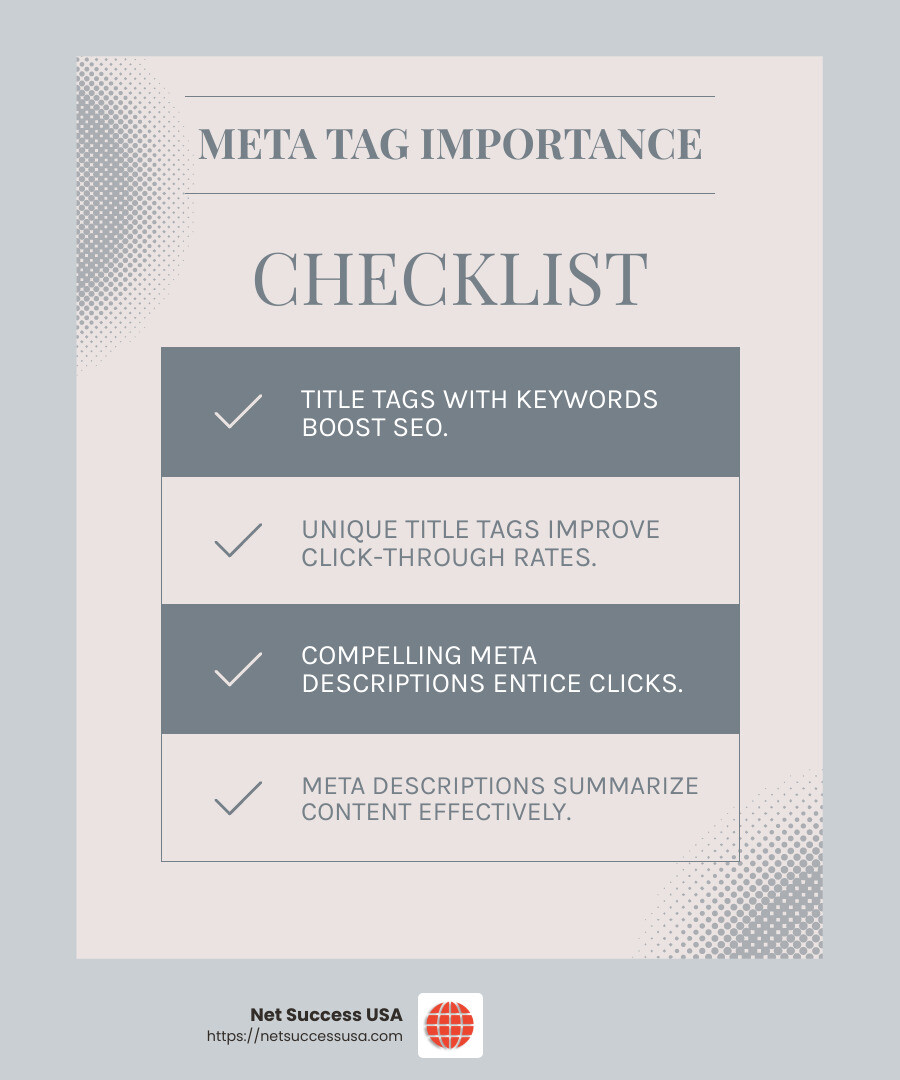
A positive user experience is essential for retaining visitors and improving search engine rankings. Here are some ways to improve user experience:
Mobile Responsiveness: Ensure your website is mobile-friendly. Many potential clients will search for services on their smartphones, and a site that doesn't display well on mobile can lead to lost opportunities.
Page Speed: Optimize images and scripts to improve page loading times. Fast-loading pages are favored by search engines and provide a better experience for users.
Navigation: Create a clear and intuitive navigation structure. Users should be able to find the information they need quickly and easily.
By focusing on these on-page SEO techniques, debt collection agencies can improve their website's visibility and user engagement. This, in turn, can lead to higher rankings and more potential clients finding your services.
Next, let's explore the strategies for building a robust online presence through off-page SEO.
Building a strong online presence goes beyond just optimizing your website. For SEO for debt collection agencies, off-page strategies like link building, social media integration, and managing online reputation are crucial.
Link building is all about earning backlinks from other websites. These links act as votes of confidence, showing search engines that your site is credible and valuable.
Internal and External Links: Use internal links to guide users to relevant content on your site, boosting user engagement and helping search engines understand your site's structure. For external links, aim for high-quality backlinks from reputable sites. This could involve guest blogging or partnering with industry associations.
Avoid Low-Quality Links: Be cautious of low-quality backlinks, as they can harm your SEO. Instead, focus on earning links naturally by creating useful and shareable content.
Social media platforms are not just for socializing; they are powerful tools for enhancing your SEO efforts.
Engage and Share: Regularly share content from your website on social media platforms. This increases visibility and can drive more traffic to your site.
Interact with Your Audience: Respond to comments and messages promptly. Engaging with your audience builds trust and encourages sharing, which can lead to more backlinks.
Consistent Branding: Ensure your branding is consistent across all platforms. This helps in building a recognizable and trustworthy online presence.
Maintaining a positive online reputation is essential for trustworthiness and can influence your SEO performance.
Monitor Reviews: Keep track of online reviews and respond professionally, whether the feedback is positive or negative. This shows potential clients that you value customer feedback and are committed to improving your services.
Encourage Testimonials: Encourage satisfied clients to leave positive reviews on platforms like Google My Business. Positive reviews can improve your local SEO and attract more clients.
Address Negative Feedback: If you encounter negative reviews, address them constructively. A well-handled complaint can turn a negative into a positive and show potential clients your commitment to customer service.
By focusing on these off-page SEO strategies, debt collection agencies can improve their online presence, build credibility, and attract more clients. These efforts, combined with on-page SEO, create a comprehensive approach to improving your agency's visibility in search results.
Next, we'll dive into local SEO strategies that can help your agency connect with clients in your area.
Local SEO is a game-changer for debt collection agencies aiming to connect with clients nearby. Focusing on local search optimization ensures that your agency appears prominently in local search results, helping potential clients find you easily. Here's how you can make the most of local SEO:
Setting up and optimizing your Google My Business profile is crucial. GMB is a free tool that allows businesses to manage their online presence across Google, including Search and Maps.
Complete Your Profile: Ensure that your business name, address, phone number, and business hours are accurate and up-to-date. A complete profile boosts your credibility and trustworthiness.
Add Photos and Updates: Regularly update your profile with photos of your office, team, and any events. Post updates about your services to keep your audience informed and engaged.
Collect Reviews: Encourage clients to leave positive reviews on your GMB profile. Reviews can significantly impact your local search rankings and influence potential clients' decisions.
Local citations are online mentions of your business name, address, and phone number (NAP) on websites and directories.
Consistency is Key: Ensure that your NAP information is consistent across all platforms. Inconsistent information can confuse search engines and hurt your local SEO efforts.
Leverage Local Directories: List your agency on local directories and industry-specific platforms. This not only improves your visibility but also builds credibility with search engines.
Use Structured Data Markup: Implementing structured data markup (schema) on your website can help search engines understand your business better and improve your chances of appearing in local search results.
Optimizing your website for local search involves several strategies that ensure your business is visible to potential clients in your area.
Local Keywords: Use local keywords in your website content, meta tags, and headings. This helps search engines connect your business with local searches.
Create Location-Specific Pages: If your agency operates in multiple locations, create dedicated pages for each location. This allows you to tailor content to each area's specific needs and improve local search rankings.
Engage with the Community: Participate in local events and sponsor community activities. These efforts can lead to local media coverage and backlinks, boosting your local SEO.
By investing in local SEO strategies, debt collection agencies can improve their visibility within their community, attract more local clients, and ultimately drive business growth. Next, we'll explore how to measure the success of your SEO efforts and continuously improve your strategies.
Once you've implemented SEO strategies for your debt collection agency, it's crucial to measure their effectiveness. This helps you understand what's working and where improvements are needed. Here's how you can track and improve your SEO success:
Utilizing analytics tools is essential for measuring the impact of your SEO for debt collection agencies.
Google Analytics: This free tool provides insights into website traffic, user behavior, and conversion rates. You can see which pages attract the most visitors and how users interact with your site.
Google Search Console: Offers data on how your site performs in Google Search. It helps identify keywords that drive traffic and highlights any issues affecting your site's visibility.
SEO Testing Tools: Consider specialized tools like SEOTesting.com, which offer in-depth reports on click-through rates and content performance.
Establishing KPIs allows you to objectively evaluate your SEO efforts. Here are some KPIs to consider:
Organic Traffic: Monitor the number of visitors coming to your site through organic search. An increase indicates successful SEO strategies.
Conversion Rate: Track the percentage of visitors who take desired actions, such as filling out a contact form. This measures the effectiveness of your website in converting traffic into leads.
Bounce Rate: A high bounce rate might suggest that visitors aren't finding what they expect on your site. Aim to keep this low by improving user experience and content relevance.
Keyword Rankings: Keep an eye on how your target keywords are ranking in search results. Improving rankings can lead to increased visibility and traffic.
SEO is an ongoing process, and continuous improvement is key to staying ahead of the competition.
Regular Audits: Conduct regular SEO audits to identify areas for improvement. This includes checking for broken links, outdated content, and technical issues.
Content Updates: Keep your content fresh and relevant by regularly updating it. This not only helps with SEO but also keeps your audience engaged.
A/B Testing: Experiment with different strategies to see what works best. For example, test different headlines or call-to-action buttons to optimize conversion rates.
Feedback Loop: Gather feedback from clients and use it to refine your SEO strategies. Understanding client needs can guide content creation and keyword targeting.
By effectively measuring and continuously improving your SEO efforts, debt collection agencies can boost their online visibility and drive more business. Next, we'll address some frequently asked questions about SEO for debt collection agencies.
SEO for debt collection agencies is crucial because it improves online visibility and helps attract potential clients searching for debt recovery services. Most people turn to search engines like Google to find services they need. If your agency ranks high in search results, you're more likely to gain traffic and, ultimately, clients.
A well-executed SEO strategy also builds trust and credibility. When your agency consistently appears in top search results, it signals to users that you're a reputable and authoritative player in the debt collection industry.
Improving local SEO is vital for debt collection agencies that serve specific regions. Here are a few strategies to consider:
Google My Business: Ensure your agency is listed on Google My Business. Keep your profile updated with accurate contact information, operating hours, and client reviews. This helps your agency appear in local search results and on Google Maps, making it easier for potential clients to find you.
Local Citations: Consistently list your business in online directories such as Yelp and Yellow Pages. Ensure your agency's name, address, and phone number are consistent across all platforms to improve local search rankings.
Location Pages: If your agency operates in multiple locations, create dedicated location pages on your website. Include relevant local keywords and detailed information about each location to help search engines understand your geographical reach.
Locally Focused Content: Publish content that addresses local issues related to debt collection. This could include blog posts about regional regulations or success stories from local clients. Such content can improve your relevance in local searches.
Link building is a critical component of any SEO strategy, including for debt collection agencies. Here are some best practices:
Quality over Quantity: Focus on acquiring links from reputable and relevant websites. A few high-quality links can be more beneficial than numerous low-quality ones.
Guest Blogging: Write guest posts for industry-related blogs or websites. This not only earns you valuable backlinks but also establishes your agency as an industry thought leader.
Networking: Build relationships with other businesses and organizations in the financial sector. Collaborate on content or events that can naturally lead to link exchanges.
Content Marketing: Create valuable and shareable content that others in the industry will want to link to. This could be in the form of informative blog posts, infographics, or case studies.
Monitor and Disavow: Regularly monitor your backlink profile to ensure you're not linked to any spammy or irrelevant sites. Use Google's Disavow Tool to remove harmful links that could negatively impact your SEO.
By implementing these strategies, debt collection agencies can improve their online presence, attract more clients, and build a stronger reputation in the industry.
At Net Success USA, we understand the unique challenges debt collection agencies face in the digital landscape. That's why our comprehensive SEO services are designed to help you steer these problems and boost your online visibility.
Our approach combines cutting-edge strategies with a focus on post-Penguin SEO, ensuring your agency remains compliant with the latest search engine algorithms. We prioritize content optimization and keyword management to help your website rank higher in search results. Additionally, our expertise in local search optimization ensures that your agency is easily findable by potential clients in your area.
What sets us apart is our dynamic SEO network. Our team continuously improves our methods, leveraging trusted and powerful links to improve your search rankings. With our exceptional customer support, you'll have a dedicated account representative to guide you through each step of the process, ensuring your satisfaction and success.
Our commitment to excellence is reflected in our impressive customer retention rate of over 90%. We don't just aim to improve your rankings; we strive to provide an outstanding customer experience.
Ready to boost your agency's visibility and attract more clients? Explore our comprehensive SEO services and find how Net Success USA can transform your online presence. Let us help you make the needle move quicker than any other SEO company.
SEO campaign management is the driving force behind boosting your search engine rankings and expanding your online presence. If you're seeking quick insights, here's what you need to know:
Managing an effective SEO campaign requires understanding current market trends and tailoring strategies to fit your business's unique needs. As a small business owner, mastering these elements can significantly impact your online success, driving more traffic and potential sales.
I’m Neal Stein. With a long-standing background in the business field and a keen focus on SEO campaign management, I've helped countless businesses lift their online visibility and outperform their competitors. Now, let's dive deeper into SEO to solve how you can transform your digital marketing strategy for better results.

SEO campaign management is the strategic process of planning, executing, and optimizing your website's visibility in search engine results. The goal? To improve rankings and drive organic traffic to your site. Let's break it down:
Imagine you're running a marathon. To win, you need a solid plan, regular training, and constant monitoring of your progress. SEO campaign management works the same way. It's about setting clear objectives, implementing strategies, and adjusting as needed to improve your website's visibility on search engines like Google.
Search Engine Optimization (SEO): At the heart of any SEO campaign is optimization. This involves refining your site’s content and structure to meet search engine criteria. Think of it as making your website more attractive to search engines.
Improving Rankings: Higher rankings mean more visibility. By appearing on the first page of search results, your site is more likely to attract clicks. This is crucial because most users don't look beyond the first page.
Increasing Organic Traffic: Unlike paid ads, organic traffic is free. It's about attracting visitors naturally through well-optimized content and strategic keyword usage. More organic traffic often leads to higher conversions and sales.
Research: Start with a deep dive into your market and competitors. Identify the right keywords that your target audience is searching for.
Optimize: Focus on both on-page elements (like meta tags and content) and off-page factors (like backlinks). Each plays a crucial role in how search engines perceive your site.
Track and Adjust: Use analytics tools to monitor your site's performance. Regularly updating your strategy based on data ensures continued improvement.

Consider a case study where an e-commerce client saw over a 40% increase in traffic and a 100% boost in conversions through effective SEO campaign management. This isn't just about numbers; it's about reaching more potential customers and driving business growth.
In the changing world of digital marketing, mastering SEO campaign management can set you apart from competitors. By understanding and implementing these strategies, you can improve your site's visibility, attract more visitors, and ultimately, achieve your business goals.
Starting an SEO campaign might seem like a daunting task, but breaking it down into manageable steps can make it more approachable. Here's how you can kick off a successful SEO campaign:
Before diving into the technical aspects, it's crucial to set clear goals for your SEO campaign. What do you want to achieve? Whether it's increasing website traffic, generating more leads, or boosting sales, having specific, measurable objectives will guide your strategy.
Keywords are the backbone of any SEO strategy. They help you understand what your audience is searching for and how you can meet their needs.
A thorough website audit helps identify areas for improvement. It’s like a health check for your site to ensure it meets SEO best practices.
Content is king in SEO. High-quality content attracts visitors and encourages them to stay on your site.
Backlinks are links from other websites to yours. They act as votes of confidence, signaling to search engines that your site is trustworthy and authoritative.
By following these steps, you can lay a strong foundation for your SEO campaign. SEO is a long-term strategy, and patience is key. Consistently optimize and adapt your approach based on data and results to achieve ongoing success.
Managing an SEO campaign effectively requires a strategic approach. Here's a breakdown of the best practices to ensure success:
The first step in any successful SEO campaign is setting clear goals. This involves understanding what you want to achieve, such as increasing organic traffic, boosting sales, or improving brand visibility. Align these goals with your business objectives to ensure your SEO efforts contribute to broader company success.
Conducting a comprehensive website audit is crucial. This process helps identify technical issues that could hinder your rankings. Use tools like SEO Checker to evaluate your site's SEO performance. Focus on aspects like site speed, mobile-friendliness, and content quality. A thorough audit will provide a roadmap for necessary improvements.
Keyword research is the backbone of any SEO strategy. Identify keywords that your target audience uses when searching for your products or services. Use tools like KeywordsFX to find high-value keywords. Focus on both informational keywords that address user queries and transactional keywords that attract ready-to-purchase users.
On-page optimization involves refining elements within your website to improve search engine rankings. Key components include:
Off-page optimization focuses on external factors that influence your site's authority. Building high-quality backlinks is essential. Encourage reputable sites to link back to your content. Engage in social media sharing to increase your site's visibility and credibility.
Content is a critical component of any SEO strategy. Develop high-quality content that resonates with your audience. Ensure it is informative, answers user questions, and is easy to read. Use keywords naturally within your content to improve relevance. Engaging content keeps users on your site longer, signaling to search engines that your site is valuable.
Finally, track your results to measure the effectiveness of your SEO efforts. Use analytics tools to monitor key metrics such as organic traffic, keyword rankings, and conversion rates. Regularly review these metrics to identify successful strategies and areas for improvement. This data-driven approach allows you to refine your strategy for better outcomes.

By following these best practices, you'll be well-equipped to manage a successful SEO campaign. Stay adaptable, as SEO is a constantly evolving field, and continuous optimization is necessary to maintain and improve rankings.
Next, let's explore some common challenges you might face in SEO campaign management and how to overcome them.
Starting on an SEO campaign management journey is exciting, but it comes with its own set of challenges. Let's explore some of the common problems and how you can tackle them effectively.
One of the most daunting challenges in SEO is dealing with algorithm changes. Google updates its algorithms multiple times a year, and these changes can significantly impact your website's rankings. For instance, many marketers reported a 20% drop in organic traffic following recent updates, as noted by Gracie DeSantis from Vye marketing agency.
How to Adapt: Stay informed about these updates by following resources like Moz's algorithm change history and Search Engine Land. Focus on building a strong brand and creating high-quality content that aligns with Google's focus on user experience and relevance.
SEO is not a quick fix; it often takes time to see tangible results. This delay can be frustrating for businesses eager to see immediate returns on their efforts. Unlike PPC, which can provide quick visibility, SEO requires patience and persistence.
How to Cope: Set realistic expectations and communicate them with stakeholders. Use this time to refine your strategy, analyze data, and make necessary adjustments. The long-term benefits of SEO, like sustained organic traffic and brand credibility, are worth the wait.
With a plethora of SEO tools available, it can be overwhelming to choose the right ones for your campaign. Each tool offers different features, and using too many can lead to confusion and inefficiency.
How to Choose: Identify your specific needs and select tools that align with them. For instance, use Google Search Console for performance tracking and SEMrush for keyword research. Stick to a few reliable tools that cover all necessary aspects of your SEO strategy.
Technical issues can severely impact your SEO performance. Problems like slow page load speeds, poor mobile-friendliness, and improper indexing can hinder your site's visibility on search engines.
How to Fix: Conduct regular technical audits of your website. Focus on improving site speed by optimizing images and code. Ensure your site is mobile-friendly with responsive design. Use tools like Google's PageSpeed Insights to identify and resolve technical issues.
By understanding and addressing these challenges, you can steer the complex landscape of SEO campaign management more effectively. The key is to remain adaptable and proactive in your approach.
Next, we'll dive into some frequently asked questions about managing an SEO campaign to further improve your understanding.
Managing an SEO campaign involves a series of strategic steps to improve your website's visibility in search engines. Here's a simplified breakdown:
Set Goals: Start by defining clear and measurable objectives. Are you looking to increase traffic, boost sales, or improve brand awareness?
Audit Your Website: Conduct a comprehensive audit to identify areas for improvement. Check for technical issues, like page load speed and mobile-friendliness, that can affect your rankings.
Keyword Research: Identify relevant keywords your target audience uses. Tools like Ahrefs and SEMrush can help you find high-volume, low-competition keywords.
Optimize On-Page Elements: Ensure your website content is optimized with the right keywords. Include these in title tags, headers, and meta descriptions to help search engines understand your content.
Optimize Off-Page Elements: Build a network of quality backlinks from reputable sites. This improves your site's authority and signals to search engines that your content is valuable.
Create High-Quality Content: Content is king in SEO. Produce engaging and informative content that answers your audience's questions and solves their problems.
Track Results: Use tools like Google Analytics to monitor your campaign's performance. Analyze which strategies are working and make data-driven adjustments.
A successful SEO campaign hinges on several key factors:
Keyword Research: Finding the right keywords ensures you're targeting the right audience and can rank higher in search results.
On-Page Optimization: This involves optimizing your website's content and HTML source code to improve its ranking.
Link-Building: Acquiring quality backlinks from authoritative sites boosts your site's credibility and search engine ranking.
Content Creation: Consistently producing valuable content keeps your audience engaged and encourages them to share, increasing your site's visibility.
In the field of marketing management, SEO is crucial for directing traffic to your website and improving its ranking on search engine results pages (SERPs). It involves optimizing your site's content and technical elements to make it more attractive to search engines. The ultimate goal is to drive more organic traffic, which can lead to increased brand exposure and higher conversion rates.
Understanding these FAQs provides a solid foundation for navigating the complex world of SEO campaign management. Next, let's explore how to overcome common challenges in SEO campaigns.
When it comes to mastering SEO campaign management, choosing the right partner can make all the difference. At Net Success USA, we offer comprehensive SEO services custom to boost your online presence and drive tangible results.
Our unique selling proposition lies in our dynamic SEO network. This isn't just about using the latest tools; it's about continuously innovating and adapting to the ever-changing landscape of search engine algorithms. Our network is built on trusted and powerful links that improve your site's authority and visibility.
But we don't stop there. Exceptional customer support is at the heart of everything we do. We understand that SEO can be complex, which is why our dedicated account representatives are always on hand to guide you through each step of your campaign. Whether it's answering questions, providing insights, or adjusting strategies, we're committed to ensuring your satisfaction and success.
By partnering with us, you're not just investing in SEO; you're investing in a team that cares about your business goals. Our approach is holistic, focusing on both the technical and creative aspects of SEO to deliver a strategy that aligns with your unique needs.
Ready to lift your SEO game? Find how our SEO content creation services can help you achieve your goals. Let us be the driving force behind your online success.